
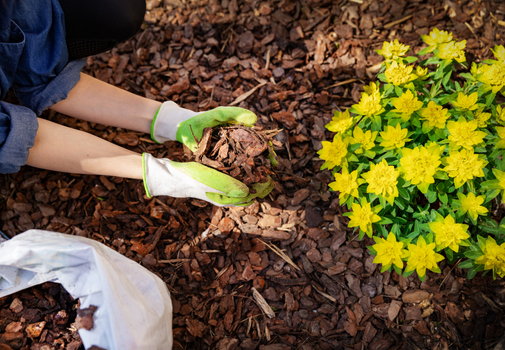
Keeping your yard in top shape goes beyond watering and mowing. Proper mulching and trimming are two of the most critical landscape maintenance practices for promoting plant health, suppressing weeds, and boosting curb appeal. But doing them wrong can be just as harmful as neglecting them altogether.
In this article, we’ll break down the essential do’s and don’ts of mulching and trimming, so you can protect your investment in your lawn, shrubs, trees, and garden beds, without causing accidental damage.
Mulching Do’s
1. Do Use Organic Mulch Whenever Possible
Organic mulch, such as shredded bark, wood chips, pine needles, or compost, not only protects your plants but breaks down over time to improve soil structure and fertility.
2. Do Apply Mulch 2 to 3 Inches Deep
Aim for a layer that’s thick enough to block weeds and retain moisture but not so thick that it suffocates plant roots. Two to three inches is the ideal range for most garden beds.
3. Do Keep Mulch Away from Plant Stems and Tree Trunks
Leaving space around the base of plants prevents rot, pests, and fungal diseases. For trees, mulch should form a donut shape, never a volcano piled against the trunk.
4. Do Refresh Mulch Seasonally
Mulch decomposes and settles over time. Top it off once or twice a year to maintain a consistent depth and visual appeal. Fall and spring are ideal times for replenishment.
5. Do Choose the Right Mulch for Your Planting Area
Different types of mulch serve different purposes. For example:
- Hardwood mulch works well in foundation beds
- Cedar or cypress mulch helps repel insects
- Straw mulch is ideal for vegetable gardens
Mulching Don’ts
1. Don’t Over-Mulch
Too much mulch prevents air and water from reaching roots and can lead to root rot. Avoid depths over 4 inches unless you’re mulching to smother weeds temporarily.
2. Don’t Use Fresh Grass Clippings or Uncomposted Manure
Fresh organic materials can mat down, smell bad, or contain weed seeds. Always compost before use or mix with dry materials.
3. Don’t Rely on Mulch Alone for Weed Control
Mulch suppresses weeds, but won’t eliminate them. Pull existing weeds before applying mulch, and consider a pre-emergent weed control product like Preen for added protection.
4. Don’t Let Mulch Touch the Siding of Your Home
Mulch against your home’s exterior can trap moisture and attract termites. Maintain a 6 to 12 inch gap between mulch and any siding or structural materials.
5. Don’t Forget to Edge Your Beds First
Edging helps contain mulch, creates a clean line between beds and lawn, and enhances overall aesthetics. Do this before mulching to save effort and get a crisper finish.
Trimming Do’s
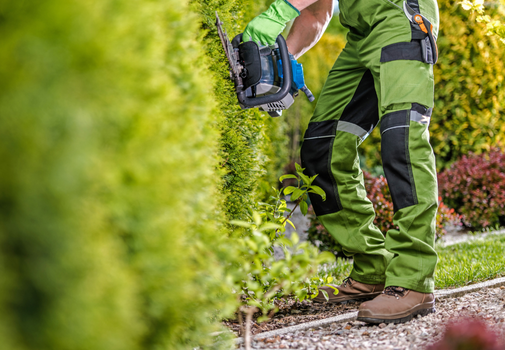
1. Do Prune Trees and Shrubs for Health and Structure
Trimming isn’t just about looks, it’s about removing dead, diseased, or crossing branches to improve airflow and reduce the risk of fungal infections.
2. Do Trim at the Right Time of Year
Spring-flowering shrubs (like lilacs or forsythia) should be trimmed right after blooming. Summer bloomers (like hibiscus or crape myrtle) can be pruned in late winter or early spring. Deciduous trees and evergreens are best trimmed during their dormant season.
3. Do Use Clean, Sharp Tools
Dull or dirty blades can crush stems or spread disease. Always sanitize your pruning shears between plants, especially when trimming diseased growth.
4. Do Follow the “One-Third Rule”
Never remove more than one-third of a plant’s total growth at one time. Over-pruning can shock the plant and reduce its vigor.
5. Do Cut at the Right Angle
Make cuts just above a bud or lateral branch at a 45-degree angle, sloping away from the bud to encourage proper regrowth and prevent water from pooling on the cut.
Trimming Don’ts
1. Don’t Top Your Trees
Topping, cutting the main branches back to stubs is one of the worst things you can do to a tree. It weakens structure, invites disease, and causes unnatural, weak regrowth.
2. Don’t Shear Flowering Shrubs Into Boxy Shapes
Over-shaping can remove flower buds and reduce seasonal blooms. Use naturalistic pruning techniques instead of shaping every shrub into a tight ball.
3. Don’t Prune When It’s Too Wet
Trimming wet plants increases the risk of spreading diseases and fungi. Wait for dry conditions whenever possible.
4. Don’t Ignore Safety When Trimming Large Branches
If you need to climb a ladder or use a chainsaw, it’s best to call a professional. Improper large-branch removal can be dangerous for you and damaging to the tree.
5. Don’t Trim Everything at Once
Each plant has its trimming schedule and tolerance. Blanket trimming can stunt growth or remove seasonal blooms. Take the time to learn about each plant type.
Bonus Tips: Combining Mulching and Trimming for Maximum Impact
When used together, mulching and trimming create a cleaner, healthier landscape. Here’s how to make the most of both practices:
- Trim before you mulch. This makes clean-up easier and ensures debris doesn’t get buried under your mulch.
- Use mulch to cover pruning debris. For leaves and twigs too small to rake, a fresh mulch layer can hide and compost them.
- Apply mulch after pruning perennials. In late fall or early spring, cutting back perennials and applying a mulch layer protects roots from temperature swings.
Why Mulching and Trimming Matter?
It’s important to understand why mulching and trimming are vital to your landscape’s success:
- Mulching helps regulate soil temperature, conserve moisture, reduce weeds, and enrich the soil as it breaks down.
- Trimming and pruning encourage healthy growth, remove dead or diseased branches, and keep your landscape looking neat and balanced.
Done right, both tasks enhance your yard’s health and appearance. Done wrong, they can stress or kill plants, attract pests, or ruin your soil structure.
Common Mulching and Trimming Mistakes to Avoid
Let’s recap the most frequent mistakes homeowners make:
- Mulching too close to tree trunks and plant stems
- Over-mulching with more than 4 inches of material
- Failing to remove weeds before mulching
- Topping or over-trimming trees and shrubs
- Using unsanitized or dull pruning tools
- Trimming everything on the same schedule
Avoiding these errors can save you time, money, and frustration in the long run, while helping your landscape thrive.
Choosing the Right Professionals for the Job
While DIY maintenance works for small-scale gardens, mulching and trimming are best left to experienced landscapers when:
- You’re dealing with large trees or shrubs
- Your mulch needs to be hauled and spread over large areas
- You’re unsure what and when to prune
- You want to avoid over-pruning flowering plants
- You’re dealing with diseased, infested, or storm-damaged trees
At Unique Landscaping, we specialize in professional mulching and trimming services designed to protect plant health, control weed growth, and elevate the visual appeal of your property. We use the best materials, equipment, and techniques so you never have to worry about mistakes that could set your landscape back.
Give Your Yard the Attention It Deserves
A thriving landscape doesn’t happen by accident. It takes thoughtful, timely care, and mulching and trimming are two of the most important maintenance routines you can master or outsource.
By following these do’s and don’ts, you’ll not only keep your plants healthy and protected but also extend their life, enhance your soil, and maintain the clean, polished look that boosts your home’s value.
If you’re in Northeast Ohio, including Seven Hills, Parma, Strongsville, Avon, and surrounding areas, Unique Landscaping is here to help. Contact us today for a free consultation on mulching and trimming services.