
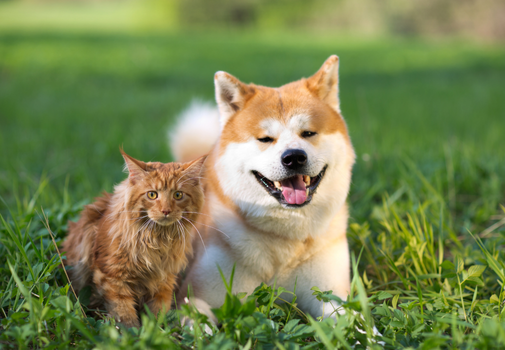
As pet parents, we go to great lengths to keep our furry companions safe, from proper nutrition and regular vet checkups to daily exercise and love. But one danger often overlooked is sitting right in our homes or backyards: toxic plants. Many common houseplants and garden favorites are poisonous to dogs and cats, and even a small nibble can lead to serious health problems.
In this article, we’ll walk you through the top 7 most common poisonous plants to dogs and cats, including symptoms to watch for and what to do in case of an emergency. Whether you’re a plant lover or just want to keep your space safe for your pets, this list is essential reading.
1. Sago Palm (Cycas revoluta)
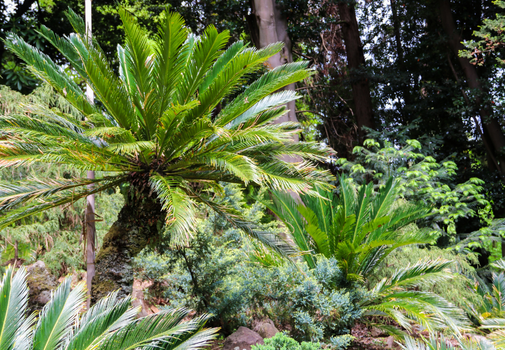
- Toxic to: Dogs and Cats
- Toxic Parts: All parts, especially the seeds (nuts)
- Symptoms: Vomiting, diarrhea, drooling, lethargy, seizures, liver failure, and death in severe cases
The sago palm is a popular landscaping and indoor plant known for its tropical look. But it’s one of the most toxic plants for pets, especially the seeds, which contain a deadly toxin called cycasin.
Ingesting even a small amount can cause liver damage in both dogs and cats. Symptoms typically appear within 15 minutes to a few hours after ingestion. Immediate veterinary attention is critical, as sago palm poisoning can be fatal if untreated.
2. Lilies (Lilium and Hemerocallis species)
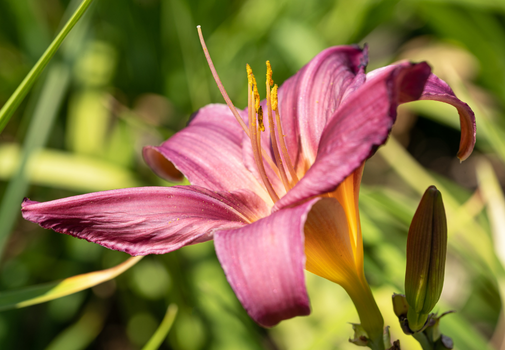
- Toxic to: Cats (highly), mildly toxic to dogs
- Toxic Parts: Leaves, petals, pollen, water in the vase
- Symptoms in Cats: Vomiting, lethargy, drooling, and kidney failure within 36–72 hours
- Symptoms in Dogs: Gastrointestinal upset (less severe)
Lilies are beautiful, fragrant, and deadly to cats. Even brushing against the pollen and grooming it off their fur can be enough to trigger acute kidney failure. All parts of the plant, including the water from the vase, are dangerous.
There’s a wide variety of lilies (Easter, Tiger, Daylily, Stargazer), and most pose a serious threat. Dogs are less sensitive, but may still experience upset stomachs.
3. Oleander (Nerium oleander)
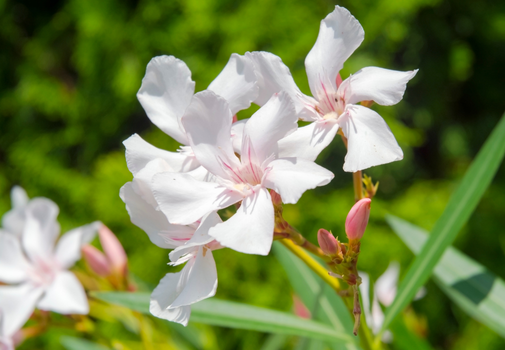
- Toxic to: Dogs and Cats
- Toxic Parts: Entire plant
- Symptoms: Drooling, vomiting, diarrhea, slow heart rate, arrhythmias, tremors, death
Oleander is a beautiful shrub often used in warm climates for landscaping, but it contains cardiac glycosides, compounds that disrupt the heart’s rhythm.
Even a single leaf can be lethal to a dog or cat. The toxins affect the gastrointestinal and cardiovascular systems, and emergency care is required immediately.
4. Autumn Crocus (Colchicum autumnale)
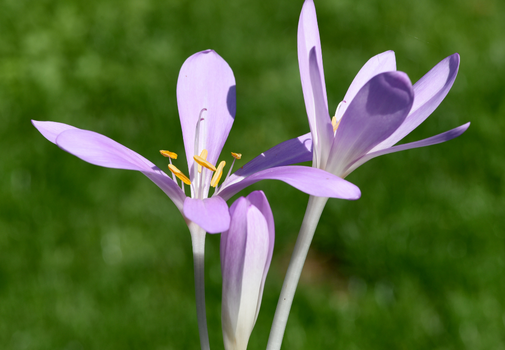
- Toxic to: Dogs and Cats
- Toxic Parts: Entire plant
- Symptoms: Vomiting, diarrhea (possibly bloody), shock, multi-organ damage, bone marrow suppression
This fall-blooming flower is often mistaken for the spring crocus (which is mildly toxic), but the autumn crocus contains colchicine, a highly toxic compound that can cause severe gastrointestinal distress, respiratory failure, and organ damage.
Symptoms can be delayed up to a few days, so if ingestion is suspected, don’t wait for signs, get to the vet immediately.
5. Azaleas and Rhododendrons
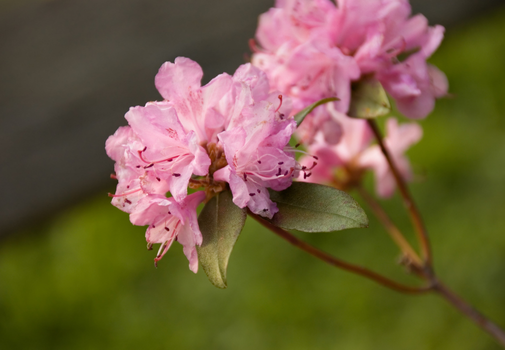
- Toxic to: Dogs and Cats
- Toxic Parts: Leaves, flowers, nectar
- Symptoms: Vomiting, diarrhea, hypersalivation, weakness, coma, low blood pressure, cardiac failure
These flowering shrubs are common in gardens and landscapes but are extremely toxic to both cats and dogs. They contain grayanotoxins, which interfere with muscle and nerve function.
Ingestion of just a few leaves can result in severe reactions. If left untreated, azalea poisoning can lead to cardiac failure and death.
6. Dieffenbachia (Dumb Cane)
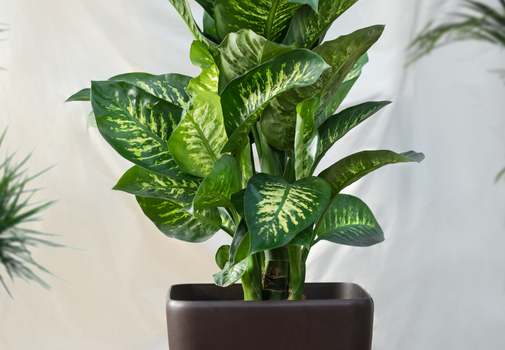
- Toxic to: Dogs and Cats
- Toxic Parts: All parts
- Symptoms: Oral irritation, intense burning, drooling, vomiting, difficulty swallowing
Dieffenbachia is a popular houseplant due to its lush foliage and ease of care. However, it contains insoluble calcium oxalates that can cause immediate burning and swelling in the mouth and throat if chewed.
While not typically fatal, it can be extremely uncomfortable and lead to drooling, pawing at the mouth, and potential airway swelling, especially dangerous for smaller pets.
7. Tulips and Hyacinths
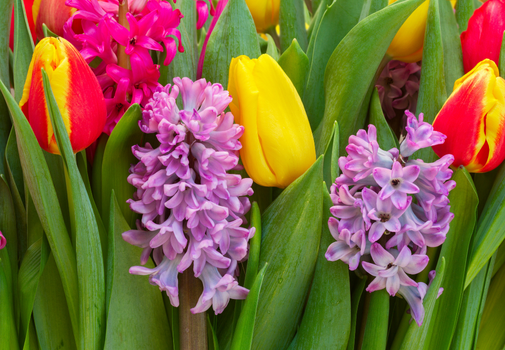
- Toxic to: Dogs and Cats
- Toxic Parts: Bulbs (most toxic), leaves, flowers
- Symptoms: Drooling, vomiting, diarrhea, increased heart rate, depression
Tulips and hyacinths add vibrant color to spring gardens, but their bulbs contain allergenic lactones and other irritants. If your dog loves to dig, this can pose a hidden risk, especially during bulb-planting season.
Ingesting large quantities can cause severe gastrointestinal distress and even heart or respiratory issues.
What to Do If Your Pet Ingests a Toxic Plant?
If you suspect your pet has ingested a poisonous plant:
- Stay calm: Panicking won’t help your pet.
- Identify the plant: Take a photo or bring a sample to the vet.
- Call your vet or an emergency animal hospital: Time is critical.
Never attempt to induce vomiting unless directed by a professional. Some toxins can cause more damage on the way back up.
Tips for Creating a Pet-Safe Garden and Home
To keep your pets safe while still enjoying greenery, follow these tips:
- Label every plant so you know exactly what you’re growing or buying.
- Use hanging planters or high shelves to keep plants out of reach.
- Train your pets with simple commands like “leave it.”
- Supervise outdoor time, especially during spring and fall.
- Research before bringing new plants into your home or yard.
Protecting Pets Starts with Knowledge
Plants can bring beauty and life to a home, but not all are safe for our four-legged friends. Many pet owners are surprised to learn that common decorative plants can be silently dangerous. Fortunately, with a bit of research and proactive planning, you can cultivate a home and garden that’s not only beautiful but also pet-safe.
By learning which plants are toxic and making smart choices with your landscaping and indoor décor, you’re creating an environment where pets can thrive without unnecessary risks. Always keep emergency numbers on hand, and when in doubt, ask your vet. For any landscaping needs, feel free to contact Unique Landscaping for a free consultation!